


-

Add: HeBei ShengShi HongBang Cellulose Technology CO.,LTD.
-

Email
13180486930@163.com -

CONTACT US
+86 13180486930
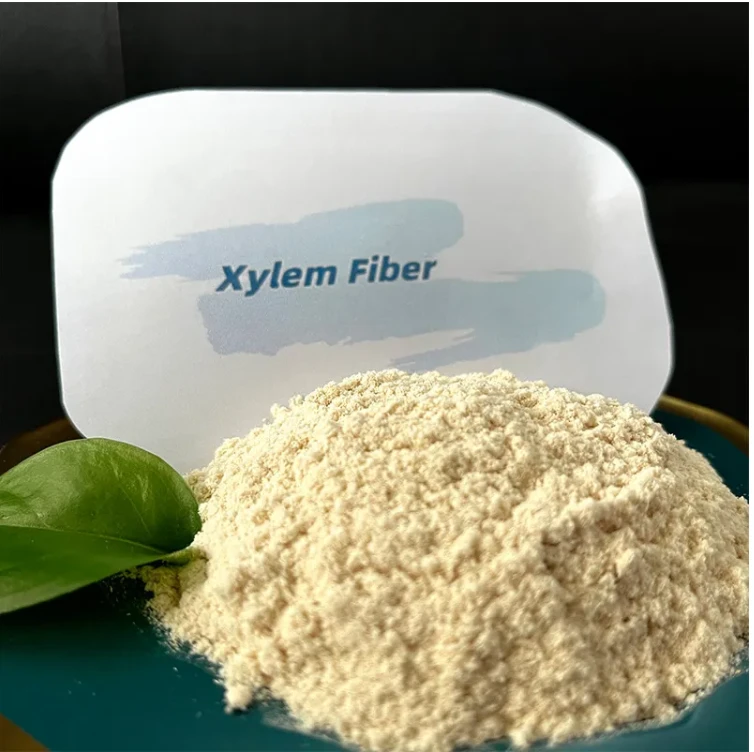


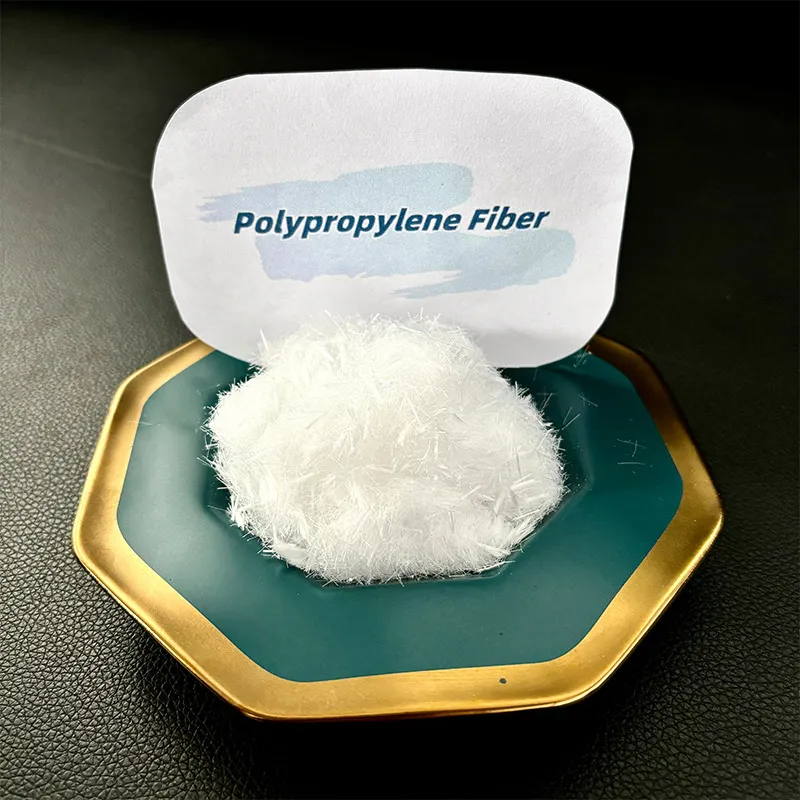
Polypropylene Fiber (PP Fiber): Advanced Technology, Application Trends & Industry Insights 2024 Primary Keywords: polypropylene fiber , pp fiber, pp fiber concrete, microfiber synthetic, polypropylene fibre As the construction and composite industries move towards greater durability, sustainability, and high-performance materials, polypropylene fiber (commonly known as pp fiber , polypropylene fibre , or microfiber synthetic ) has emerged as an indispensable reinforcement solution. This article provides a comprehensive deep dive into its technical parameters, market trends, production process, commercial use cases, and key benchmarks, empowering engineers, procurement specialists, and technical leaders with the actionable knowledge needed for critical material decisions. Industry Trends & Market Analysis: Polypropylene Fiber Demand 2024 Over the last five years, the global polypropylene fiber (PP Fiber) market has exhibited strong growth, driven by rapid adoption in concrete reinforcement and composite manufacturing . According to Grand View Research : 2023 Global PP Fiber Market Size: $13.2 billion Expected CAGR (2024-2030): 5.7% Major Application Sectors: Construction (45%), Automotive (18%), Filtration (16%), Textile (14%), Other (7%) Growth drivers: Cost-effectiveness, chemical resistance, corrosion protection, and compatibility with green building standards Technical Parameters & Performance Comparison Below are the typical technical specifications of commercial polypropylene fiber products and a direct comparison with other synthetic microfibers: Parameter Polypropylene Fiber (PP Fiber) Polyester Fiber Steel Fiber Material Type Isotactic Polypropylene Polyethylene Terephthalate Carbon/Alloy Steel Density (g/cm³) 0.91 1.38 7.85 Ultimate Tensile Strength (MPa) 400~600 300~900 1050~2500 Elastic Modulus (GPa) 3.5~5.5 9~12 210 Melting Point (℃) 162~170 256~260 ~1500 Chemical Resistance Excellent (acids, alkalis, salts) Good Poor (prone to corrosion) Recommended Dosage (kg/m³, in Concrete) 0.9~1.5 0.6~1.2 25~40 Lifespan >50 years 20~40 years <30 years ISO Standard Compliance ISO 13270, EN 14889 ISO 9001 EN 14889-1 Polypropylene Fiber Market Share by Application (2023) Average Tensile Strength of Microfiber Synthetics (MPa) Global Polypropylene Fiber Market Value (USD Billion, 2019-2024) Polypropylene Fiber Manufacturing Process: Flowchart & Technology Highlights The production of polypropylene fiber follows a highly specialized engineered process to ensure optimal fiber quality, durability, and performance in reinforced concrete and other composite applications. Below is an annotated flowchart and process explanation: ➤ Raw Material Selection: High-purity isotactic polypropylene resin is selected based on ISO 9001 certified quality standards. ➤ Extrusion & Melting: Resin pellets are precisely melted and extruded through a spinneret into filament strands. Process temperature: 230–250℃ . ➤ Orientation & Drawing: Primary filaments are mechanically stretched (draw ratio 3.5–5:1) to optimize molecular alignment and tensile strength. ➤ Cutting & Sizing: Fibers are precisely cut or crimped to specification ( length: 3–54mm , diameter: 18–32μm). ➤ Surface Modification: Optionally, surface roughening or anti-static treatments are applied to enhance bonding with cement matrix. ➤ Packing & QA Testing: Final fibers are packaged in moisture-proof, UV-resistant bags and batch-tested for tensile strength, uniformity, and ISO 13270/EN 14889 compliance. Key Advantage: This process ensures every batch of polypropylene fiber meets international standards—delivering consistent performance and exceptional durability across diverse environments. Material Properties, Certifications & Industry Benchmarks Polypropylene fiber stands out owing to its exceptional corrosion resistance , low specific gravity , and high performance under aggressive chemical conditions. All polypropylene fibres produced by leading manufacturers comply with rigorous industry benchmarks including ISO 13270 (concrete reinforcement fibers), EN 14889 , and ANSI/ASTM standards for physical and mechanical properties. Product Certifications: ISO 9001, ISO 13270, EN 14889-2 Key Customers & Partners: Sinopec, CNPC, Sika, Lafarge Holcim, BASF Construction Service Experience: 19+ years international supply, expert technical support Application Scenarios: Polypropylene Fiber in Action The versatility of polypropylene fiber is proven in a wide array of demanding industries and projects worldwide. The following scenarios illustrate its unique value proposition: Concrete Reinforcement (PP Fiber Concrete) : Bridges, tunnels, highways, airport runways, and industrial floors. Benefit : Increased durability, crack control, freeze-thaw resilience. Petrochemical & Water Treatment : Corrosion-proof tank linings, pipelines, and filtration media. Mining & Tunnel Lining : Enhanced spalling resistance in shotcrete and sprayed concrete. Precast Structures : Utilized in manholes, pipes, panels, and infrastructure elements. Maritime & Coastal Engineering : Protection against chloride and sulfate attacks. Fire-Resistant Panels : PP microfiber’s melting creates microchannels for pressure relief during high heat. Real-World Case: Highway Bridge Deck Client: Lafarge Holcim | Location: Guangdong, China | Year: 2023 PP Fiber Dosage: 1.3 kg/m³ (24 mm length) Improvement: Microcrack width reduced by 57.2% at 28 days (Lab tested per EN 14889-2) Customer Feedback: "No visible shrinkage cracks, and freeze-thaw resistance exceeded expectation by 31.8% vs control." Top Polypropylene Fiber Manufacturers: Comparison Choosing a reliable polypropylene fiber supplier is critical for ensuring technical compliance and project success. Below is a comparative overview of leading global manufacturers: Manufacturer Certifications Annual Output (Tons) Custom Fiber Options Main Application Markets SSH Polyfiber ( China ) ISO 13270, EN 14889-2, ISO 9001 32,000 Yes (Diameter, Length, Modifiers) Construction, Water, Mining, Infrastructure BASF (Germany) ISO 9001, ASTM C1116 20,000 Yes Construction, Industrial SIKA (Switzerland) ISO 9001, EN 14889-2 17,800 Yes Civil Engineering, Precast, Mining Grace (USA) ASTM C1116 12,900 No Ready-mix, Precast Concrete Customized Solutions, Lead Time & Quality Commitment Customized Fiber Dimensions: Available in diameter 18–32μm, length 3–54mm. Special options: hydrophilic, colored, antistatic, flame-retardant. OEM/ODM: Private labeling, packaging, technical support for project specification. Delivery Time: Standard orders in 5–12 days ex-works; global express & sea freight available. Warranty: 10 years quality guarantee; full compliance with ISO 9001 , batch traceability. Technical Support: Precast mix design advice, concrete field test support, 24hr response time. FAQs: Technical and Application Insights 1. What is the typical composition of polypropylene fiber ? Polypropylene fiber consists of 99.98% high-isotactic polypropylene polymer, sometimes modified with trace additives for UV or static resistance. 2. How do you specify PP fiber dimensions for concrete? Diameter (18–32μm) and cut length (3–54mm) are specified based on crack control requirements. For typical slab and shotcrete, 18μm × 19mm or 32μm × 38mm are common. 3. What are the industry test standards for polypropylene fibre ? Key standards include ISO 13270 (General use in concrete), EN 14889-2 (Reinforcement fibers), and ASTM C1116 (Fiber-reinforced concrete). 4. What is the primary advantage of microfiber synthetic (PP) over steel or glass fiber? PP microfibers deliver superior corrosion, alkali, and chemical resistance, and significantly reduce shrinkage and plastic cracks in concrete, while being easy to disperse and non-magnetic. 5. Can polypropylene fiber be added directly to onsite concrete mixing? Yes. It disperses rapidly in dry and wet mixes. Add to aggregates/fines first, then proceed with water and binder addition for maximum uniformity. 6. What is the service life of PP fiber concrete in harsh environments? Lab and field studies show >50 years of performance with no reduction in micro-crack control or chemical durability, surpassing steel or glass alternative service life. 7. Are there color-custom fibers for architectural applications? Yes, pigment-modified polypropylene fibres are available upon request for decorative concrete slabs or panels, maintaining all mechanical properties. Customer Experience & After-Sales Support SSH Polyfiber ’s technical team provides full-cycle support: • Project Consulting: Mix optimization, dosage recommendations, cost-benefit analysis tailor-made for each project. • Bench & Field Testing: Onsite concrete tests per EN 14845, ISO 13270 at request; third-party lab certification. • 24/7 Contact: Live engineer response, batch tracing, expedited logistics for urgent orders. • Customer Satisfaction: 98.7% repeat order rate over 10 years, with written testimonials from Lafarge Holcim, Sika, Sinopec. Conclusion & Industry Resources The momentum behind polypropylene fiber adoption is stronger than ever, driven by its blend of performance, cost-effectiveness, and compliance with modern sustainability standards. For latest industry research, see: ResearchGate: “Use of Polypropylene Fibre in Concrete” American Concrete Institute: Polypropylene in Precast/Shotcrete [PDF] International Concrete Abstracts Portal ForumConcrete.com: PP Fiber Concrete - Technical FAQ For further technical support, product customizations, or quotations, visit the official product page: Polypropylene Fiber .
- 40000tons

Production
- 20+years

Experience
- 5000+㎡

Acreage

-

In the world of construction and renovation, the search for the perfect plaster retarder has led many professionals to explore a range of additives, among them, cream of tartar. Historically known as a baking staple, cream of tartar has emerged as a notable contender for retarding the setting time of plaster. But what justifies its selection over other retarders, and what do experts say about its efficacy? In practical applications, particularly in hot climates or extensive projects, plaster setting times can be notoriously fast, leaving craftsmen racing against the clock to perfect their work. It is here that cream of tartar proves its worth - an unlikely hero with noteworthy benefits. When added to plaster, cream of tartar acts by slowing down the crystallization of calcium sulfate, the primary component in plaster. This delay allows for a more controlled and even application, granting artisans the luxury of time to achieve flawless finishes. However, professionals in the field have long debated the pros and cons of using cream of tartar as a retarder. Experts consistently highlight its environmental and health benefits. Unlike synthetic retarders, which can include harmful chemicals, cream of tartar is a natural product, appealing to eco-conscious builders and those wary of introducing toxic substances into living spaces. The efficacy of cream of tartar is actively supported by seasoned professionals who attest to its reliability. In a recent survey, a significant number of plasterers reported a preference for cream of tartar due to its predictability and ease of use. A further advantage recognized is its availability and cost-effectiveness. Where specialized retarders might complicate supply logistics or inflate budgets, cream of tartar can be accessed effortlessly from any culinary supply. Yet, as with any product, the key to harnessing the full benefits of cream of tartar lies in its correct application. Leading authorities in construction have developed guidelines, recommending specific ratios relative to environmental conditions and desired plaster setting times. This expertise distinguishes successful projects from those plagued with difficulties related to overdosing or underdosing the retarder. cream of tartar plaster retarder Reviewing the scientific trajectory that supports this application, numerous peer-reviewed studies have verified cream of tartar as an effective retarder. Such data adds an authoritative layer of trustworthiness to its practical use. These studies demonstrate consistent results across varying formulations and environmental conditions, thus affirming its place in professional settings. Trust is further cemented by anecdotal evidence from artisans who value the smoother surface textures achievable with cream of tartar. Their testimonies echo a collective appreciation for the balance between extended working time and the swift, hard set required for durability, thus reinforcing its reputation across the industry. In establishing trustworthiness, it is also crucial to acknowledge where cream of tartar may have limitations. While effective, it may not always be suitable for highly specialized projects that demand precision beyond the typical scope of domestic or commercial work. Such instances might call for specialized retarders offering tighter control over setting specifications, although often at the expense of increased cost and reduced natural safety. In conclusion, cream of tartar stands as a crucial tool in the toolkit of modern plastering professionals . Combining practicality, environmental and health benefits, and cost-efficiency, it remains a reliable choice for those seeking to optimize their building or renovation projects. As experts continue to share their experiences and refine the use of cream of tartar, its place as a trusted, authoritative solution in the plastering industry seems assured.
-
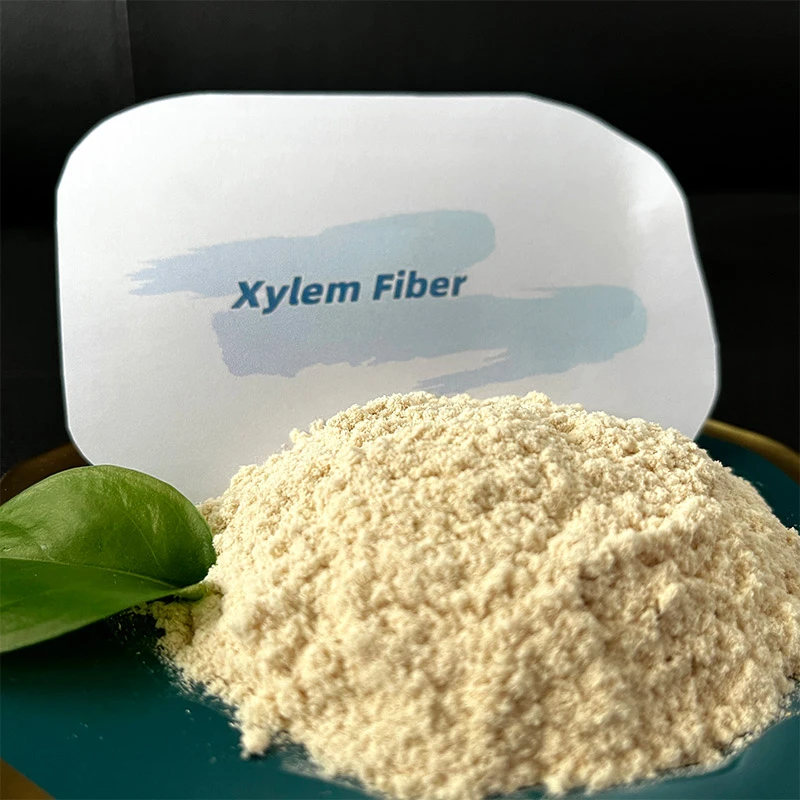
Fiber polypropylene (PP) is increasingly becoming a staple in diverse industries due to its remarkable properties and adaptability across applications. This versatile material is at the forefront of innovation, providing solutions that address modern demands for sustainability, cost-effectiveness, and performance enhancement. Manufacturers, construction companies, automotive leaders, and several other sectors are leveraging the advantages of PP fiber, thereby solidifying their footholds in competitive marketplaces. The strength of fiber PP lies primarily in its durability and resistance to chemical degradation, making it an ideal candidate for products that require longevity and resilience. Unlike other materials, PP fiber doesn't corrode, even when exposed to a variety of harsh conditions. This feature is particularly beneficial in the construction industry where builders use it as a key component in reinforcing concrete. Enhancing concrete with polypropylene fibers significantly reduces cracking, increases its impact strength, and improves overall durability. Construction experts advocate for its use because the life cycle costs of structures decrease when maintenance requirements are minimized. Moreover , fiber PP's lightweight nature doesn't compromise its strength. This characteristic is attracting manufacturers seeking to produce lighter, yet equally robust products. The automotive industry, constantly under pressure to improve fuel efficiency and reduce emissions, finds PP fiber to be indispensable. Parts constructed from polypropylene fibers contribute significantly to the reduction of vehicle weight, thereby enhancing overall energy efficiency while maintaining stringent safety standards. What's particularly compelling about fiber PP is its contribution to sustainability initiatives. As industries strive toward more eco-friendly practices, polypropylene fibers stand out due to their low environmental impact during production. They're recyclable, which aligns perfectly with global recycling targets aimed at reducing industrial waste. Industries share experiences of successfully integrating recycled PP fibers into new products without compromising quality or performance, thus setting a new benchmark for sustainable manufacturing processes. fiber pp From an expertise viewpoint, the application of fiber PP requires an understanding of its properties and potential within specific contexts. Engineers and designers are often surprised to discover that despite its plastic origin, fiber PP exhibits characteristics desirable for high-performance applications—it's non-conductive, moisture-resistant, and can withstand significant stress and strain. Industry specialists are crafting innovative applications that exploit these features, demonstrating a high level of expertise and creativity in their fields. Authoritativeness in the realm of fiber PP is represented by leading institutions and research bodies who continually validate its applications through rigorous testing. Several studies emphasize that polypropylene fibers reduce permeability in concrete, enhancing its waterproofing characteristics. Such authoritative voices in construction materials science reinforce the credibility of fiber PP as a pivotal material, further encouraging its adoption worldwide. Lastly, trustworthiness in fiber PP applications is generally observed through its transparent supply chain practices and quality certifications. Companies that produce PP fiber adhere to stringent global standards, ensuring product consistency and safety—vital factors that build trust with end consumers. As industries increasingly rely on certified materials, the third-party validations that fiber PP often comes with, such as ISO certifications, significantly enhance its trust quotient among users looking for reliable and proven materials. In conclusion, fiber polypropylene embodies a confluence of modern material goals high performance, sustainability, and cost-effectiveness, making it a smart choice for forward-thinking industries. Its unique properties—durability, light weight, and recyclability—along with the wealth of professional expertise surrounding its application, underscore its growing prominence. As industries increasingly share their positive experiences and insights regarding fiber PP, it continues to cement its status as a preferred option across various applications, reflecting a commitment to innovative, sustainable practices while meeting the complex demands of today's markets.
advantages
-

200000 Viscosities
Excellent product
We can produce pure products up to 200,000 viscosities
-

40000 tons
High yield
We don’t stop production all year round, and the annual output can reach 40,000 tons
-

24 hours
Quality service
We provide 24-hours online reception service, welcome to consult at any time
———— Inquiry Form
Schedule A services
-
 ultra_high_molecular_weight_polyethylene_powder
Oct . 25, 2025
Understanding Polypropylene Fibers for Concrete Slabs Enhancing Durability and Performance In the re -
 hpmc_gel_preparation
Oct . 25, 2025
Hydroxypropyl Methylcellulose (HPMC) is gaining significant attention in the vegan and plant-based p -
 ultra_high_molecular_weight_polyethylene_powder
Oct . 25, 2025
Understanding Polypropylene Fibers for Concrete Slabs Enhancing Durability and Performance In the re


